

India’s top restaurant founders and restaurateurs have transformed the country’s dining landscape by introducing iconic casual cafes, fine-dining establishments, and pan-Indian culinary empires.
Restaurant Founders Who Changed the Way India Dines
India’s restaurant industry has been shaped not only by chefs and culinary traditions, but also by entrepreneurs who understood how food, hospitality, experience and business could come together.
Long before food delivery apps, Instagram reels and influencer marketing became major forces in the restaurant industry, several Indian entrepreneurs were experimenting with new restaurant formats, distinctive brands and innovative dining experiences.
Their journeys offer an interesting look at how India’s modern food and hospitality businesses began to evolve.
Amit Burman: Taking a Corporate Approach to Food
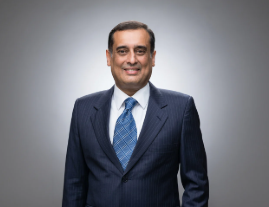
Amit Burman’s journey is an example of how experience from a large family business can be translated into food entrepreneurship.
He was associated with the development of Real fruit juice within Dabur and later became associated with Lite Bite Foods. The company began in 2001 with a Subway franchise and subsequently developed a portfolio of restaurant brands.
The business expanded across different formats and cuisines, including brands such as Punjab Grill, Zambar, Asia Seven and Street Foods of India, according to Entrepreneur India’s 2015 profile.
The larger lesson from Burman’s journey was the importance of identifying opportunities beyond a traditional business model and building food brands around specific markets and locations.
Read here – Lite Bite Foods: The Journey of Building a Multi-Brand Food Empire
Priyank Sukhija: Building Restaurants Around Concepts
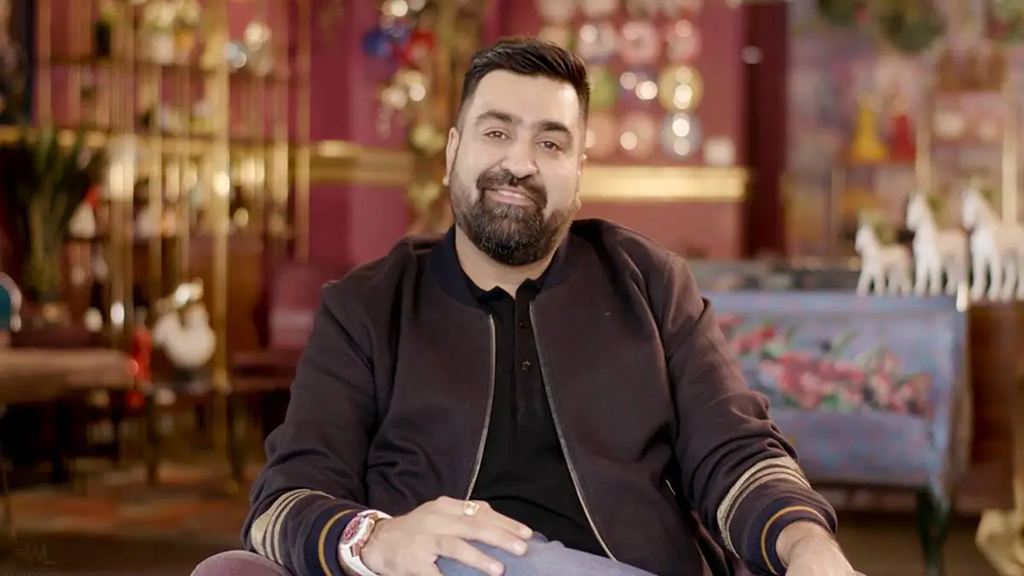
For Priyank Sukhija, creativity became an important part of the restaurant business.
His journey began with a restaurant venture after leaving college, and he later built a portfolio of concepts across Delhi and other markets.
What distinguished many of his restaurants was their strong visual and thematic identity. Concepts such as Out of the Box and Lord of the Drinks were designed around distinctive names, interiors and customer experiences.
His approach demonstrated an important principle in modern hospitality: a restaurant can become more than a place to eat when the concept itself becomes part of the experience.
AD Singh: Turning Restaurant Concepts Into Brands
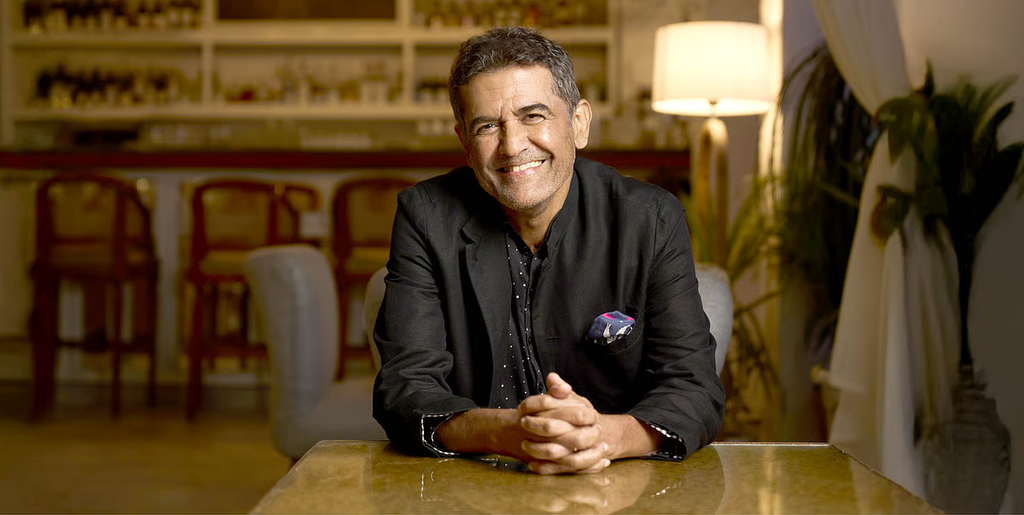
AD Singh’s restaurant journey shows how continuous experimentation can shape a food business.
His ventures included Olive Bar & Kitchen, Olive Beach, Monkey Bar and SodaBottleOpenerWala. His approach involved studying international restaurant trends and considering how those ideas could be adapted for Indian customers.
His philosophy, as reported by Entrepreneur India in 2015, centred on having a strong concept, executing it efficiently and continuously keeping the experience fresh.
His career also illustrates how a restaurant can evolve into a larger hospitality brand rather than remaining a single-location business.
Riyaaz Amlani: Creating Spaces Beyond Food
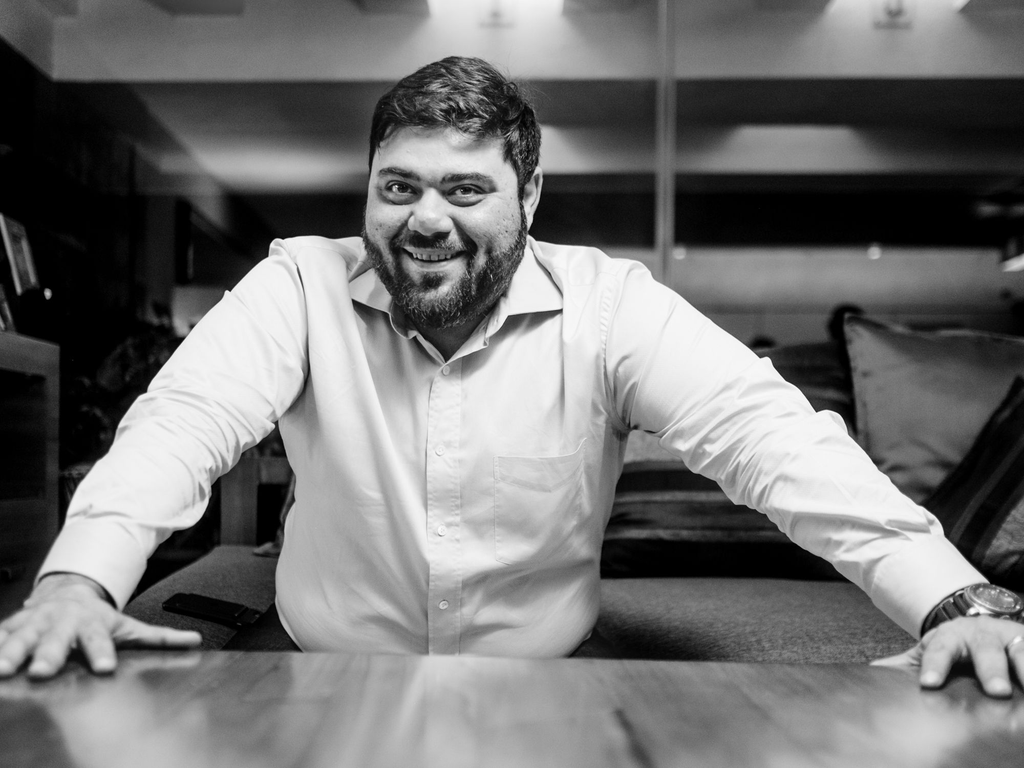
Riyaaz Amlani approached the café business from the perspective of creating places where people could spend time.
His journey included Café Mocha and later brands such as Smoke House Deli and Social.
The idea was not simply to sell coffee or meals. Cafés could also become social spaces, workplaces and destinations.
This approach became increasingly relevant as India’s urban consumers began looking for restaurants and cafés that offered an experience beyond the food on the plate.
Do you know this – How to Make Authentic Style Pistachio Kunafa at Home
Zorawar Kalra: Combining Food, Travel and Business
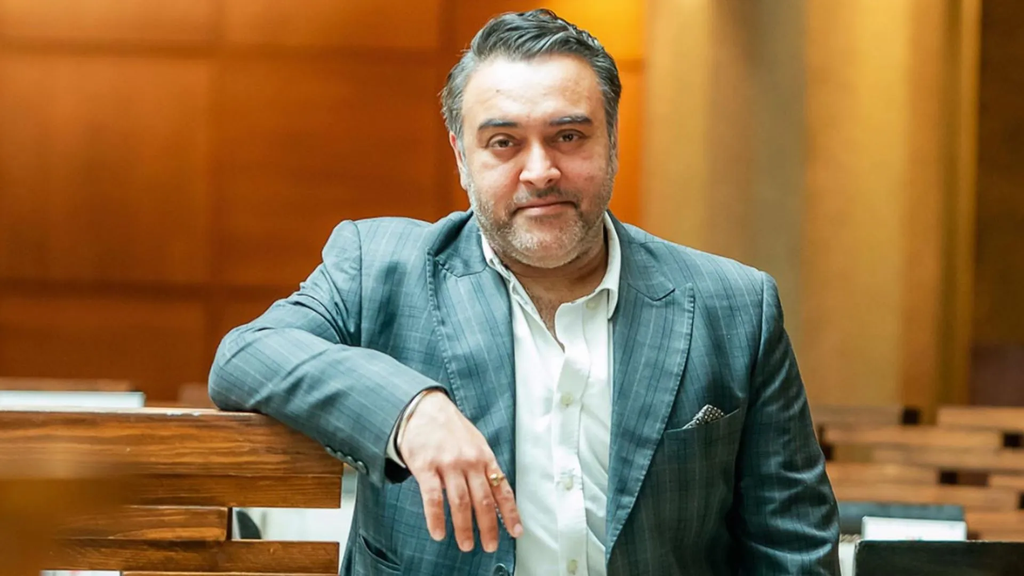
Zorawar Kalra grew up around the food industry and was influenced by extensive exposure to restaurants and cuisines around the world.
After completing an MBA, he entered the restaurant business and developed concepts including Farzi Café, Made in Punjab, Masala Library and PaPaYa through Massive Restaurants.
His story highlights another important aspect of restaurant entrepreneurship: understanding international food trends while developing concepts for the Indian market.
The combination of hospitality, branding, presentation and business strategy became an important part of the growth of his restaurant ventures.
Read this – How to Make Butter Chicken (Chicken Makhani) – Easy Recipe Guide
What These Restaurant Founders Teach Us
Although their businesses and approaches were different, several common themes emerge from their journeys.
1. A Restaurant Needs a Strong Identity
Food is important, but the identity of a restaurant can determine how customers remember it.
A name, concept, interior, menu and customer experience can work together to create a recognizable brand.
2. Location Matters
Restaurant businesses depend heavily on location. The right concept in the right neighbourhood, commercial district, airport or high-footfall destination can significantly influence its potential.
3. Experience Is Part of the Product
Modern restaurants increasingly sell an experience alongside food.
Design, music, service, ambience, storytelling and community can all influence how customers perceive a restaurant.
4. Innovation Does Not Always Mean Reinventing Food
Innovation can also mean creating a new restaurant format, targeting a different audience, combining food with entertainment or turning a café into a social destination.
5. Restaurant Brands Need to Keep Evolving
The restaurant industry changes quickly. Customer preferences, technology, delivery platforms, social media and dining habits continue to influence the way food businesses operate.
For founders, building a restaurant brand can therefore require constant experimentation.
The Bigger Story Behind India’s Restaurant Entrepreneurs
The restaurant founders profiled by Entrepreneur India in 2015 represented an important period in the development of India’s organized food and hospitality sector.
Their stories show that restaurant entrepreneurship is not only about cooking or serving food. It involves branding, location strategy, customer experience, operations, finance, marketing and the ability to turn an idea into a repeatable business.
Today, India’s food ecosystem has expanded dramatically, with restaurants, cafés, cloud kitchens, food startups, delivery platforms and regional food brands creating new opportunities for entrepreneurs.
And behind every successful food brand, there is usually a story worth telling — the founder’s idea, the first outlet, the biggest challenge and the decision that changed everything.
That is the story Bakaasura aims to explore: not just what is on the plate, but the people and ideas behind the food.
Source note: This article is an original Bakaasura editorial based on historical information reported by Entrepreneur India in its November 2015 feature, “These Indian restaurateurs made a headway in a big way.” Historical business figures and outlet counts mentioned in the original source should not be interpreted as current figures.

-
-
-
-
-
-
-
Show Comments[…] What began in 2002 with a combination of traditional and new-age food and beverage concepts has evolved into a multi-brand food and beverage retail business with a presence across major Indian cities and international markets. According to the company, LBF currently has 160+ outlets, 4,500+ employees and has served more than one crore people, with operations spanning 20 cities in India.You Must Read – India’s top restaurant founders and restaurateurs […]
[…] Instead of building one restaurant and stopping there, the business has developed multiple concepts under the broader First Fiddle identity.Read this – India’s top restaurant founders and restaurateurs […]
[…] Read this – India’s top restaurant founders and restaurateurs […]
[…] Read this – India’s top restaurant founders and restaurateurs […]
[…] Read this – India’s top restaurant founders and restaurateurs […]
[…] Read this – India’s top restaurant founders and restaurateurs […]
[…] Read this – India’s top restaurant founders and restaurateurs […]