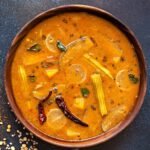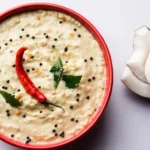

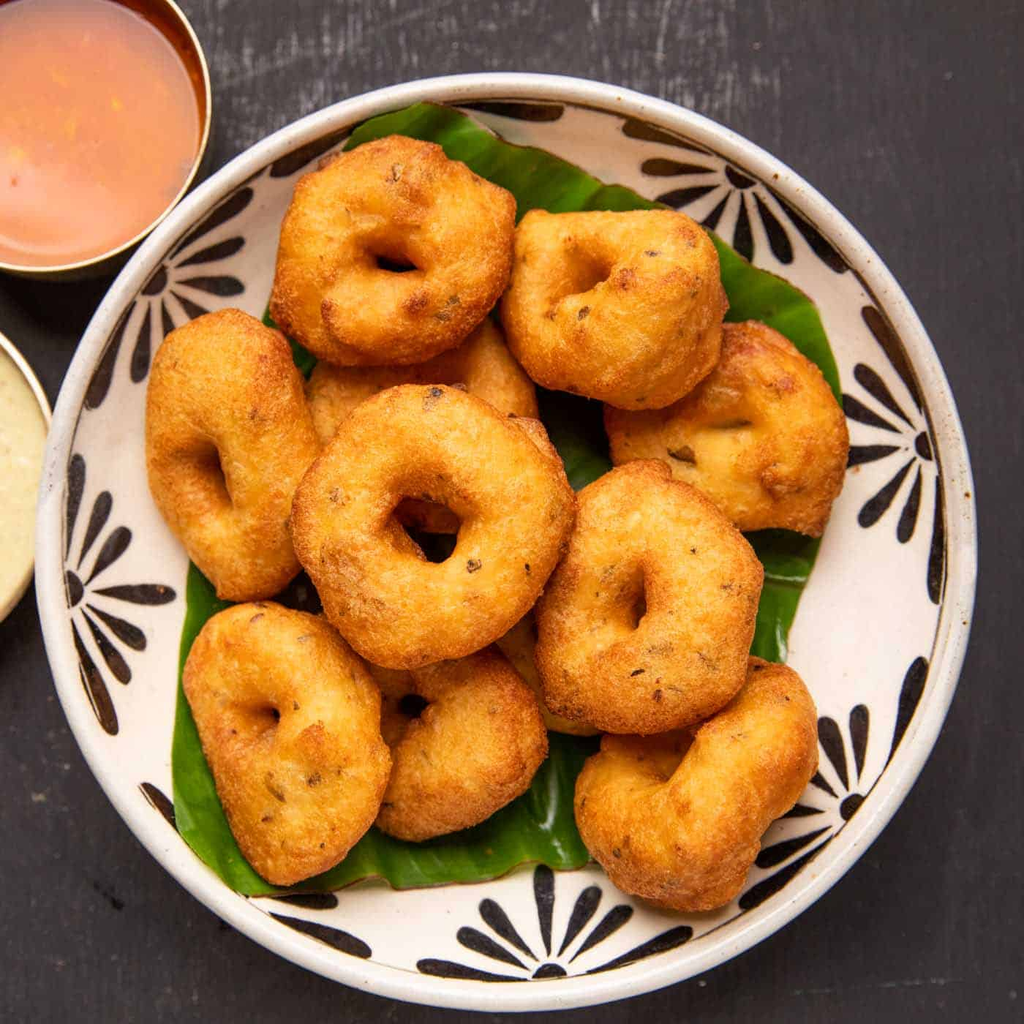
Masala vada is generally made with cVada is a much-loved South Indian breakfast and snack made from urad dal. Known as medu vada, uddina vada, ulundu vadai or garelu in different parts of South India, this savoury fritter is crispy and golden on the outside while remaining soft and fluffy inside. It is traditionally shaped like a doughnut and deep-fried before being served hot with sambar and coconut chutney.
Making crispy vada at home mainly depends on getting the batter right. The urad dal should be soaked well, ground with minimal water and whipped until light and airy. The batter should be thick enough to hold its shape while frying.
Vada Recipe at a Glance
Preparation Time: 20 minutes
Soaking Time: 4–6 hours
Cooking Time: 20–25 minutes
Servings: 4
Cuisine: South Indian
Course: Breakfast / Snack
Type: Vegetarian
Ingredients for Vada
- 1 cup urad dal
- 1–2 green chillies, finely chopped
- 1 teaspoon finely chopped ginger
- 1 teaspoon cumin seeds
- ½ teaspoon crushed black pepper
- 8–10 curry leaves, finely chopped
- 1–2 tablespoons chopped coriander leaves
- 1 pinch asafoetida (hing)
- Salt to taste
- 1–2 tablespoons finely chopped coconut, optional
- Oil for deep frying
The basic vada batter uses urad dal, while ginger, green chilli, curry leaves, pepper and cumin provide the characteristic savoury flavour.
Read this – Vada Pav Recipe – How to Make Mumbai Style Vada Pav at Home
How to Make Vada Batter
Step 1: Soak the Urad Dal
Wash the urad dal thoroughly two or three times. Transfer it to a bowl and add enough water.
Soak for approximately 4–6 hours or overnight. Good soaking helps the dal grind into a smooth and fluffy batter.
Step 2: Drain the Dal
Drain the soaked urad dal completely.
Removing excess water before grinding is important because vada batter needs to be thick. Too much water can make the batter difficult to shape and may result in oily or flat vadas.
Step 3: Grind the Dal
Add the soaked dal to a mixer grinder or wet grinder.
Grind it into a smooth, thick and fluffy batter, adding water little by little only when necessary.
The batter should be thick enough to hold its shape rather than flowing like dosa batter.
Step 4: Aerate the Batter
Transfer the batter to a large bowl and whisk or beat it vigorously for a few minutes.
This incorporates air into the batter and helps create the characteristic soft and fluffy texture inside the vada.
A useful consistency check is to drop a small amount of batter into water. A properly aerated batter should float rather than immediately sinking.
Add the Spices
Add the following to the prepared batter:
- Green chilli
- Ginger
- Cumin seeds
- Crushed black pepper
- Curry leaves
- Coriander
- Asafoetida
- Salt
- Chopped coconut, if using
Mix everything gently until evenly combined.
Unlike dosa or idli batter, traditional medu vada batter does not need fermentation.
How to Shape Vada
Step 1: Wet Your Hands
Keep a small bowl of water nearby. Lightly wet your hands so that the sticky batter does not cling to your fingers.
Step 2: Take the Batter
Take a small portion of batter and roll it gently into a ball.
Place it on your wet palm and flatten it slightly.
Step 3: Make the Hole
Using your thumb, make a hole through the centre.
The classic ring shape is not just for appearance. The hole helps the vada cook more evenly through the centre.
Read this – Ashok Vada Pav in Mumbai – Famous Vada Pav
How to Fry Vada
Step 1: Heat the Oil
Heat sufficient oil in a deep kadai over medium heat.
The oil should be hot enough for the vada to begin frying immediately, but it should not be smoking.
Step 2: Add the Vada
Carefully slide the shaped vada into the hot oil.
Do not overcrowd the kadai because this can reduce the oil temperature and affect the texture.
Step 3: Fry Until Golden
Fry the vada until it becomes golden brown and crisp on both sides.
Turn it gently during frying so that it cooks evenly.
Medium-hot oil is important: oil that is too hot can brown the exterior before the centre cooks, while oil that is too cool can make the vada absorb excess oil.
Step 4: Drain
Once golden and crisp, remove the vada using a slotted spoon.
Place it on a plate lined with kitchen paper to remove excess oil.
Serve immediately.
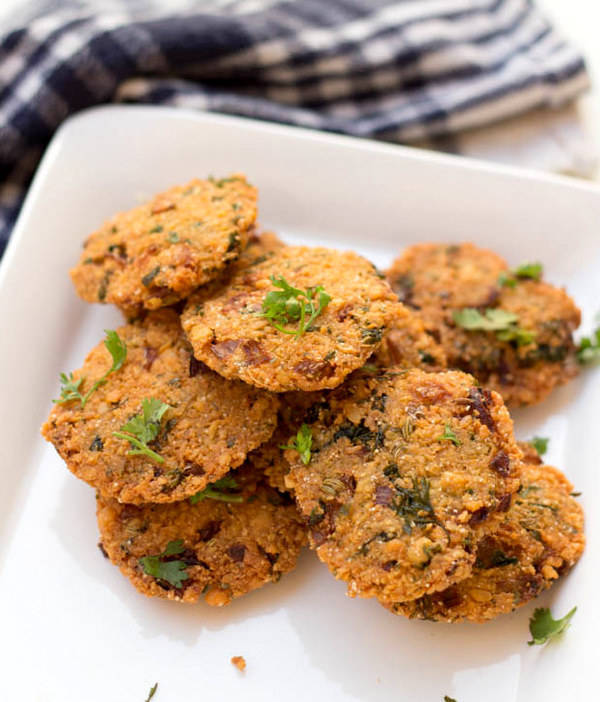
How to Make Crispy and Fluffy Vada
Use Minimal Water
This is one of the most important rules for good vada. Add water gradually while grinding the dal. A watery batter will not hold the traditional shape properly.
Whip the Batter Well
Beating the batter helps incorporate air and contributes to a lighter interior.
Don’t Skip the Hole
The centre hole helps the vada cook evenly and gives it the traditional medu vada shape.
Maintain Medium Heat
Keep the oil at a steady medium-hot temperature. Avoid cooking the vadas over extremely high heat.
Fry in Small Batches
Frying too many vadas at once can lower the oil temperature and result in less crispy vadas.
What to Serve with Vada
Freshly fried vada tastes best when served immediately with:
- Coconut chutney
- Hot sambar
- Tomato chutney
- Coriander chutney
- Peanut chutney
- Idli podi
- Ghee
For a classic South Indian breakfast, serve medu vada with hot sambar and fresh coconut chutney.
Popular Vada Variations
Sambar Vada
Crispy vadas are soaked or served with hot, flavourful sambar. The vada absorbs the sambar while retaining some of its texture.
Dahi Vada
Fried vadas are soaked until soft and served with seasoned curd, chutneys and spices.
Onion Vada
Finely chopped onions can be added to the batter for extra flavour and texture.
Maddur Vada
A popular Karnataka snack made with a different batter based on ingredients such as semolina, rice flour and onions. It has a flatter, crispier texture than medu vada.
Read this – Homemade Masala Dosa Recipe – Easy South Indian Breakfast
Masala Vadahana dal rather than urad dal and has a distinctly coarse, crunchy texture.
Common Mistakes to Avoid
- Adding too much water while grinding
- Not soaking the urad dal properly
- Skipping the batter-aeration step
- Making the batter too thin
- Using oil that is excessively hot
- Overcrowding the kadai
- Making very large vadas
- Frying at inconsistent temperatures
Key Highlights
- Vada is a popular South Indian breakfast and snack.
- Medu vada is traditionally made with urad dal.
- The batter should be thick, smooth and well aerated.
- Traditional medu vada batter does not require fermentation.
- Medium-hot oil helps produce a crisp exterior and cooked centre.
- The classic ring shape helps the vada cook evenly.
- Serve hot with sambar and coconut chutney.
Conclusion
This vada recipe is a simple way to prepare crispy, golden and fluffy South Indian medu vada at home. The most important part is the batter: soak the urad dal properly, grind it with minimal water and whip it well to incorporate air.
Once the batter reaches the right consistency, shaping and frying become much easier. Serve the freshly fried vadas with coconut chutney and hot sambar for a classic South Indian breakfast or evening snack.