
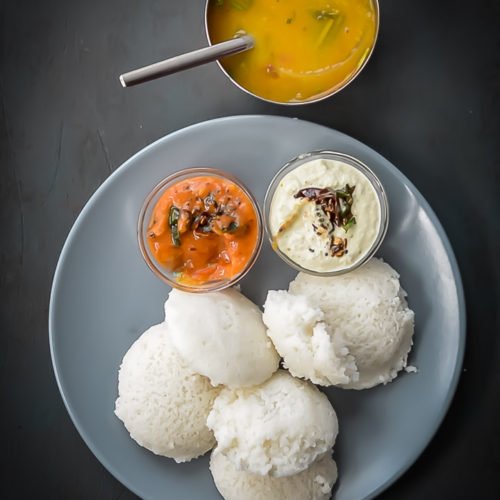

Idli is one of the most popular South Indian breakfast dishes, known for its soft, fluffy texture and mild fermented flavour. Traditional idli is made with a simple batter of rice and urad dal, which is soaked, ground and naturally fermented before being steamed in idli moulds. It is commonly served hot with sambar, coconut chutney and idli podi.
The secret to soft homemade idli is not complicated. Proper soaking, well-aerated urad dal batter, good fermentation and gentle steaming are the main steps. With the right batter consistency and fermentation, you can make restaurant-style soft idlis at home.
Idli Recipe at a Glance
Preparation Time: 20–30 minutes
Soaking Time: 4–6 hours
Fermentation Time: 8–12 hours
Steaming Time: 10–15 minutes
Servings: 4–6
Cuisine: South Indian
Course: Breakfast
Diet: Vegetarian
Ingredients for Idli Batter
- 2 cups idli rice or parboiled rice
- ½ cup urad dal
- ¼ teaspoon fenugreek seeds
- ¼ cup thick poha, optional
- Salt to taste
- Water as required
- Oil for greasing the idli moulds
A rice-to-urad-dal ratio around 2:1 is commonly used for traditional idli batter, although regional recipes vary. Poha can also be added to help produce softer idlis.
How to Make Idli Batter
Step 1: Wash and Soak the Rice
Wash the idli rice thoroughly and soak it in enough water for around 4–6 hours.
Proper soaking helps the rice grind evenly and contributes to the final texture of the idli.
Step 2: Soak the Urad Dal
Wash the urad dal and fenugreek seeds separately. Soak them in enough water for approximately 4–6 hours.
Keeping rice and dal separate during soaking makes it easier to grind each to the appropriate consistency.
Step 3: Grind the Urad Dal
Drain the soaked urad dal and fenugreek seeds.
Add them to a wet grinder or mixer and grind with water until the mixture becomes smooth, light and fluffy. Avoid adding too much water at once.
Transfer the ground dal to a large mixing vessel.
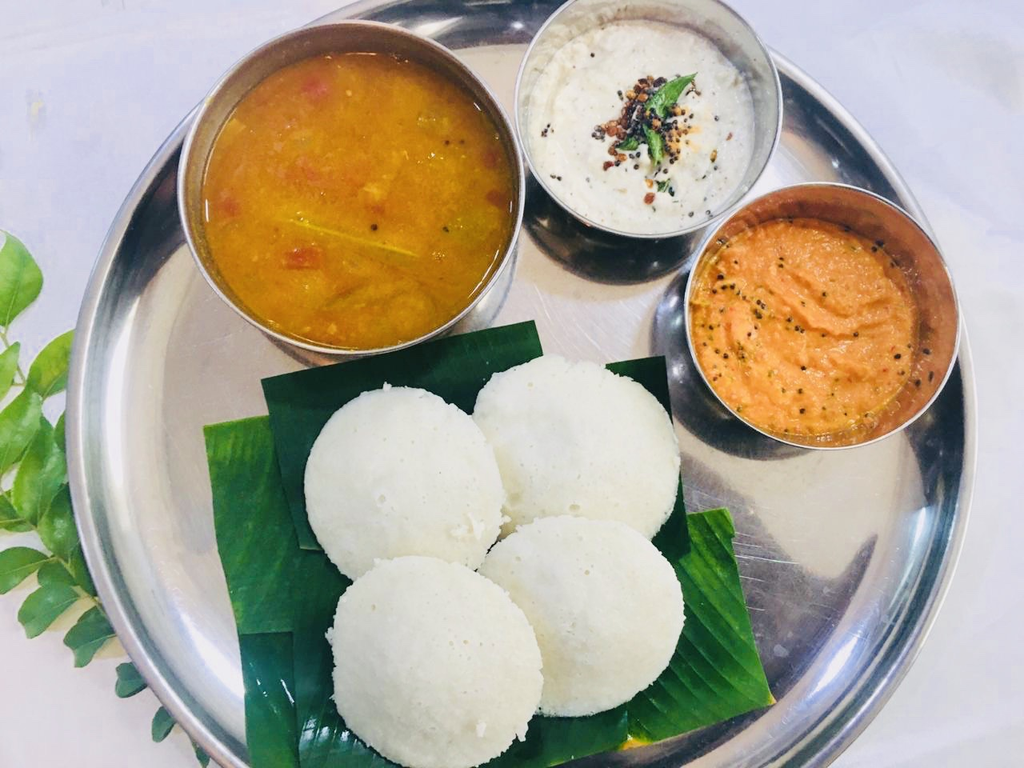
Read this – Homemade Masala Dosa Recipe – Easy South Indian Breakfast
Step 4: Grind the Rice
Drain the soaked rice. Grind it with water until you get a smooth batter with a very slightly grainy texture.
If you are using poha, soak it briefly and grind it along with the rice.
Add the rice batter to the urad dal batter and mix thoroughly.
Step 5: Ferment the Batter
Add salt and mix gently.
Cover the vessel loosely and keep it in a warm place for around 8–12 hours. Fermentation time depends on the temperature; warmer conditions generally help the batter ferment faster.
A properly fermented batter should rise noticeably and develop a light, airy texture with a mild fermented aroma.
How to Steam Idli
Step 1: Prepare the Idli Steamer
Add enough water to the steamer and bring it to a steady boil.
Lightly grease the idli moulds with oil.
Step 2: Fill the Idli Moulds
After fermentation, gently stir the batter once. Avoid vigorous mixing because you do not want to remove all the air developed during fermentation.
Pour the batter into the moulds, filling each cavity about three-quarters full.
Step 3: Steam the Idlis
Place the moulds inside the steamer and cover with a lid.
Steam over medium heat for approximately 10–15 minutes.
Check the idlis using a toothpick or skewer. If it comes out clean, the idlis are ready.
Step 4: Remove the Idlis
Switch off the heat and allow the idlis to rest for 2–3 minutes.
Dip a spoon or knife lightly in water and gently loosen the idlis from the mould.
Serve them hot.
How to Make Soft Idli
Use Good Quality Urad Dal
Fresh urad dal generally produces better fermentation and a lighter batter. The dal should grind into a fluffy mixture rather than a heavy paste.
Don’t Add Too Much Water
The batter should be thick but pourable. A watery batter can produce flat or sticky idlis.
Allow Proper Fermentation
Fermentation is one of the most important steps. A well-fermented batter develops air and helps the idlis become soft and spongy.
Keep the Batter Warm
In cooler weather, fermentation can take longer. Keeping the covered batter in a warm part of the kitchen can help.
Steam Gently
Excessively aggressive steaming or overcooking can affect the texture. Steam the idlis until they are cooked through but still soft.
Read this – Neer Dosa – The Famous Mangaluru Food
What to Serve with Idli
Freshly steamed idli pairs well with a variety of South Indian accompaniments:
- Coconut chutney
- Sambar
- Tomato chutney
- Peanut chutney
- Mint or coriander chutney
- Idli podi
- Ghee
- Vegetable sambar
For a classic South Indian breakfast, serve hot idlis with sambar, coconut chutney and a little ghee.
Different Types of Idli
Plain Rice Idli
The classic version made with fermented rice and urad dal batter.
Rava Idli
A popular Karnataka-style variation made with semolina instead of the traditional rice-based batter.
Thatte Idli
A larger, flatter and softer idli associated particularly with Karnataka.
Ragi Idli
Made with finger millet along with other ingredients, offering a darker-coloured variation of the traditional breakfast.
Kanchipuram Idli
A spiced variation traditionally flavoured with ingredients such as pepper, cumin and ginger.
Common Idli-Making Mistakes
- Using old or poor-quality urad dal
- Not soaking rice and dal sufficiently
- Making the batter too watery
- Under-fermenting the batter
- Over-fermenting in very warm conditions
- Stirring the fermented batter too vigorously
- Filling moulds completely to the top
- Over-steaming the idlis
- Removing idlis immediately without letting them rest briefly
Can Idli Batter Be Used for Other Dishes?
Yes. A well-fermented idli batter can also be adapted for dishes such as dosa and uttapam, depending on its consistency. Leftover batter can be refrigerated and used over the next few days.
For dosa, the batter is generally loosened with additional water before spreading it on a hot tawa.
Read this – Easy Baingan Bharta Recipe
Key Highlights
- Traditional idli uses rice and urad dal.
- Soaking and grinding are important for good texture.
- Natural fermentation gives idli its soft, airy structure.
- Poha can be added for extra softness.
- Steam the batter in greased idli moulds for about 10–15 minutes.
- Serve hot with sambar, coconut chutney and idli podi.
- Properly fermented batter is the biggest secret to fluffy idli.
Conclusion
This idli recipe is a simple way to make soft, fluffy and delicious South Indian idlis at home. Although the batter requires advance preparation, most of the process involves soaking and natural fermentation rather than active cooking.
For the best results, focus on three things: properly soaked ingredients, well-fermented batter and gentle steaming. Once the basic technique becomes familiar, homemade idli can become an easy breakfast option for the whole family.



[…] Read this – How to Make Soft & Fluffy Idli at Home […]
[…] Read this – How to Make Soft & Fluffy Idli at Home […]