
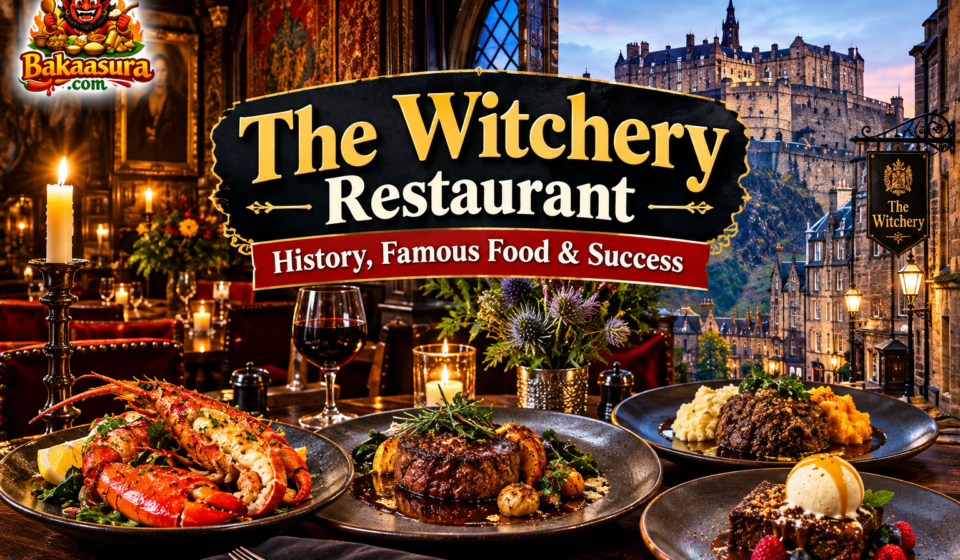

Just steps from Edinburgh Castle, The Witchery has become one of Scotland’s best-known restaurant and hotel destinations. But its story did not begin with fame, luxury or international recognition. The restaurant was launched in 1979 by James Thomson, when he was only 20 years old, inside a historic building that had fallen into a neglected state. Thomson began with a very small team and an ambitious idea: transform an extraordinary historic property into a memorable dining destination.
More than four decades later, The Witchery has expanded into a restaurant-with-rooms with multiple dining spaces and nine luxury suites. Its identity is built around Scottish food, theatrical interiors, historic architecture and an experience that goes beyond an ordinary restaurant meal.
How The Witchery Was Started
The story of The Witchery begins with James Thomson, a young Edinburgh hospitality professional with a strong interest in the city’s historic Old Town. In 1979, at just 20, he opened The Witchery beside Edinburgh Castle and became Scotland’s youngest licensee at the time.
The building itself was far older than the restaurant. The main property, Boswell’s Court, dates to the 16th century, with the building traditionally dated to 1595. Before becoming a restaurant, it had served different purposes over the centuries, including use connected with the Church of Scotland.
The Early Struggle
One of the biggest challenges was the condition and perception of the location. Historical accounts describe the building as neglected, while the Royal Mile area was not yet regarded as the major tourist and hospitality destination it is today. Thomson therefore had to transform not only the property but also the way people experienced the area.
The restaurant initially operated with only three staff members. Building a successful fine-dining business around a historic property required investment, restoration and a clear identity. Thomson’s answer was to make the atmosphere itself part of the product rather than treating the building simply as a restaurant space.
The Historic Building Became Part of the Brand
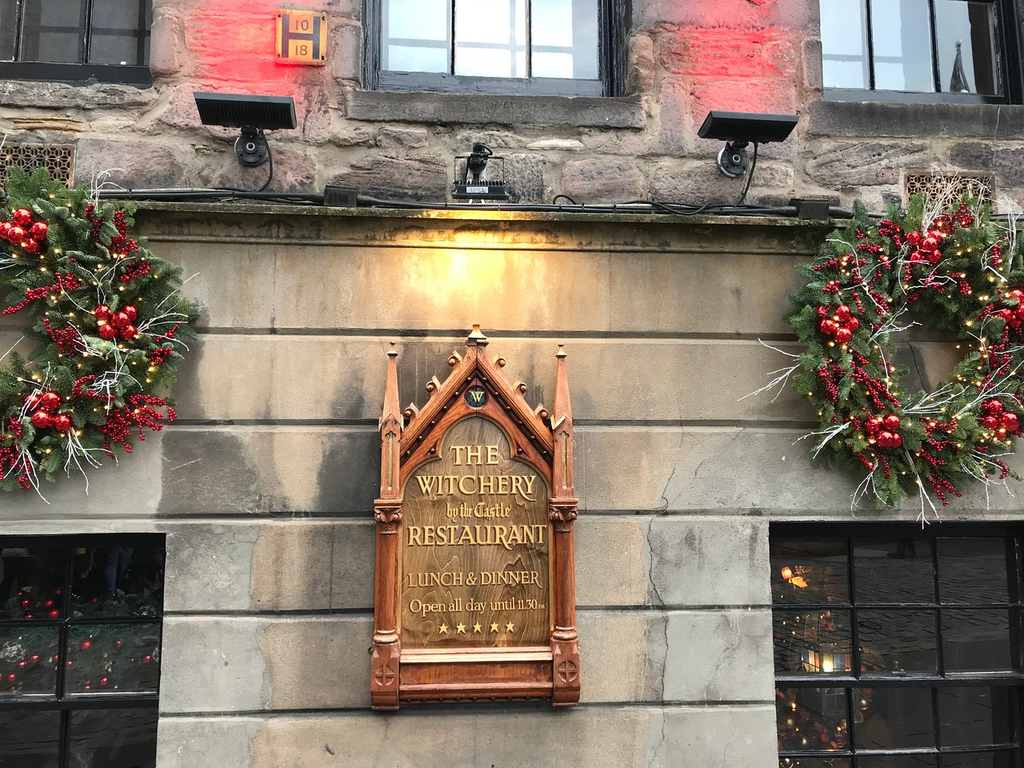
The Witchery’s location is one of its defining features. The restaurant occupies historic buildings at the gates of Edinburgh Castle on the Royal Mile.
Inside, guests encounter antique oak, tapestries, painted ceilings, candlelight, rich fabrics and ornate decorative details. Some of the architectural elements were rescued or adapted from historic Scottish and European sources.
The restaurant’s name also comes from the area’s history. Castlehill was associated with the persecution and execution of people accused of witchcraft during the 16th and 17th centuries. The name therefore connects the restaurant directly with the darker and more mysterious history of Edinburgh’s Old Town.
The Secret Garden: A Major Turning Point
As The Witchery became increasingly popular, the original space could no longer meet demand.
In 1989, Thomson transformed an abandoned school playground next to the restaurant into a second dining room known as The Secret Garden. This expansion helped increase capacity while maintaining the distinctive atmosphere that had become central to The Witchery’s identity.
The Secret Garden was more than an additional dining room. It demonstrated that neglected historic spaces could be reinvented as attractive hospitality destinations.
Read this – Maido – Lima, Peru Japanese-Peruvian Nikkei Dining Experience
From Restaurant to Restaurant With Rooms
The Witchery continued to expand beyond food.
The upper floors and adjacent historic properties were developed into luxury accommodation. The business now has nine distinctive suites, turning The Witchery into a restaurant-with-rooms rather than simply a dining establishment.
This development created a complete hospitality experience: guests could dine in the atmospheric restaurant and stay within similarly theatrical historic surroundings.
What Food Is Famous at The Witchery?
The restaurant focuses on Scottish ingredients and classic dishes presented in a fine-dining setting.
The current restaurant describes its menu as featuring Scottish ingredients including seafood and premium meat. Among its highlighted dishes are Scottish lobster, langoustines, Angus beef steak tartare, Glenfeshie Estate red deer and haggis.
Angus Beef Steak Tartare
The Angus beef steak tartare is one of the restaurant’s notable dishes. It showcases premium Scottish beef in a preparation that emphasizes the quality of the ingredient.
Scottish Lobster and Langoustines
Seafood is another important part of the menu. Scottish lobster and langoustines reflect the country’s strong connection with cold-water seafood and coastal produce.
Glenfeshie Estate Red Deer
For diners looking to explore traditional Scottish game, Glenfeshie Estate red deer is among the restaurant’s featured dishes. It gives the menu a strong connection to Scotland’s natural landscape and game-cooking traditions.
Haggis
No discussion of Scottish food is complete without mentioning haggis. The Witchery includes this famous Scottish specialty among its menu offerings, bringing a traditional national dish into its luxurious dining environment.
Tournedos Rossini
The menu also features classic European fine-dining dishes such as Tournedos Rossini, demonstrating that the restaurant’s culinary identity extends beyond strictly traditional Scottish recipes.
Read this – Karavalli Bengaluru – The Story Behind Its Iconic Coastal Cuisine
What Makes The Witchery Different?
The restaurant’s success has been closely connected to its experience-driven approach.
Rather than relying only on food, The Witchery combines cuisine, architecture, storytelling, service and atmosphere. Its candlelit rooms and theatrical interiors make the surroundings an important part of the visit.
This philosophy also extends to its hospitality. James Thomson has described the restaurant experience in theatrical terms, emphasizing the idea that staff and service contribute to the overall production.
How Is The Witchery Doing Today?
Today, The Witchery remains an established Edinburgh hospitality institution, with its restaurant, Secret Garden and nine luxury suites. Its official website continues to promote Scottish fine dining, an award-winning wine list and its historic atmosphere.
Its reputation also continues to receive international attention. In 2026, Tripadvisor’s Travellers’ Choice Best of the Best awards placed The Witchery among the world’s leading fine-dining restaurants, according to reporting on the awards.
The restaurant currently offers an à la carte menu as well as a set lunch option, while its historic dining rooms continue to be central to the experience.
The Witchery’s Location
The Witchery is located at:
The Royal Mile, 352 Castlehill, Edinburgh EH1 2NF, United Kingdom
The restaurant sits immediately beside Edinburgh Castle, placing it in one of the most historic parts of Edinburgh’s Old Town.
Why The Witchery Became Famous Worldwide
The Witchery’s international reputation developed through several elements working together:
- A historic building dating back centuries
- Its location beside Edinburgh Castle
- James Thomson’s long-term vision
- Scottish ingredients and traditional dishes
- Dramatic Gothic and Baroque-inspired interiors
- The Secret Garden dining room
- Nine luxury suites
- Strong emphasis on theatrical hospitality
- International media and visitor recognition
Its growth is particularly notable because the restaurant began in a location that required significant restoration and reinvention. The business gradually turned the challenges of an old, neglected property into a central part of its identity.
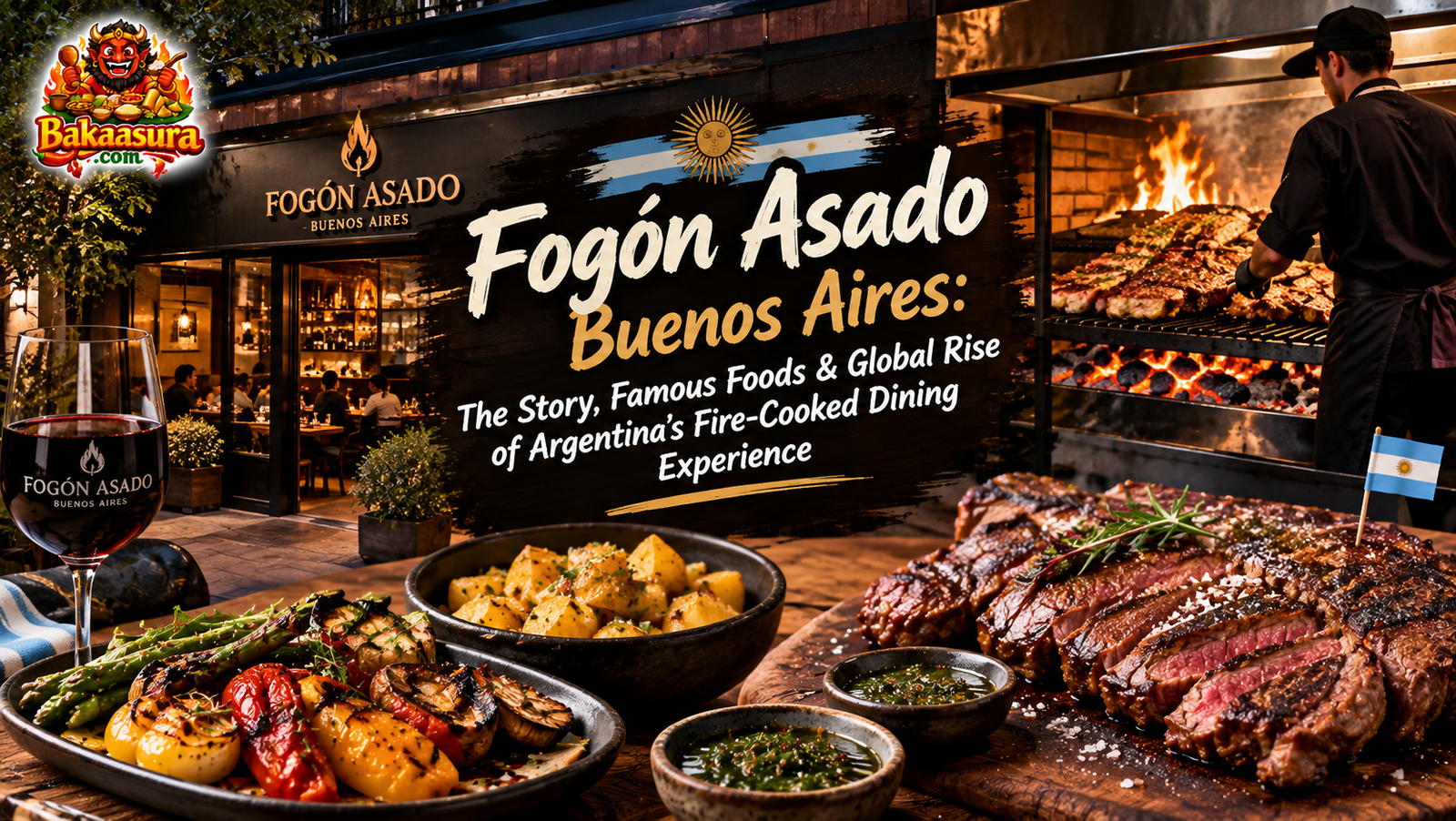
Read this – Fogón Asado restaurant – The Story, Famous Foods & Dining Experience
Key Highlights
- The Witchery was founded in 1979 by James Thomson when he was 20 years old.
- The restaurant operates inside historic buildings dating back to the 16th century.
- The Secret Garden was created in 1989 from a former abandoned school playground.
- The property has developed into a restaurant with nine luxury suites.
- Famous menu choices include Angus beef steak tartare, Scottish lobster, langoustines, haggis, red deer and Tournedos Rossini.
- Its location beside Edinburgh Castle is central to its identity.
- The restaurant continues to operate as a major luxury dining and hospitality destination in Edinburgh.
Conclusion
The story of The Witchery Edinburgh is ultimately a story of transformation. What began in 1979 as a young restaurateur’s ambitious project inside a neglected historic property gradually developed into one of Edinburgh’s most recognizable hospitality destinations.
James Thomson’s decision to preserve the character of the old building while building a restaurant around Scottish food, theatrical service and atmosphere created a distinctive identity. The later addition of The Secret Garden and luxury suites expanded that vision into a complete restaurant-with-rooms experience.
Today, The Witchery combines Scottish cuisine, centuries-old architecture, luxury hospitality and storytelling. Its journey from a challenging historic property to an internationally recognized Edinburgh destination is an important part of what makes its restaurant story so compelling.



-
-
-
-
-
-
-
Show Comments[…] Read this – The Witchery Restaurant – History, Famous Food & Success […]
[…] Read this – The Witchery Restaurant – History, Famous Food & Success […]
[…] Read this – The Witchery Restaurant – History, Famous Food & Success […]
[…] Read this – The Witchery Restaurant – History, Famous Food & Success […]
[…] Read this – The Witchery Restaurant – History, Famous Food & Success […]
[…] Read this – The Witchery Restaurant – History, Famous Food & Success […]
[…] Read this – The Witchery Restaurant – History, Famous Food & Success […]