
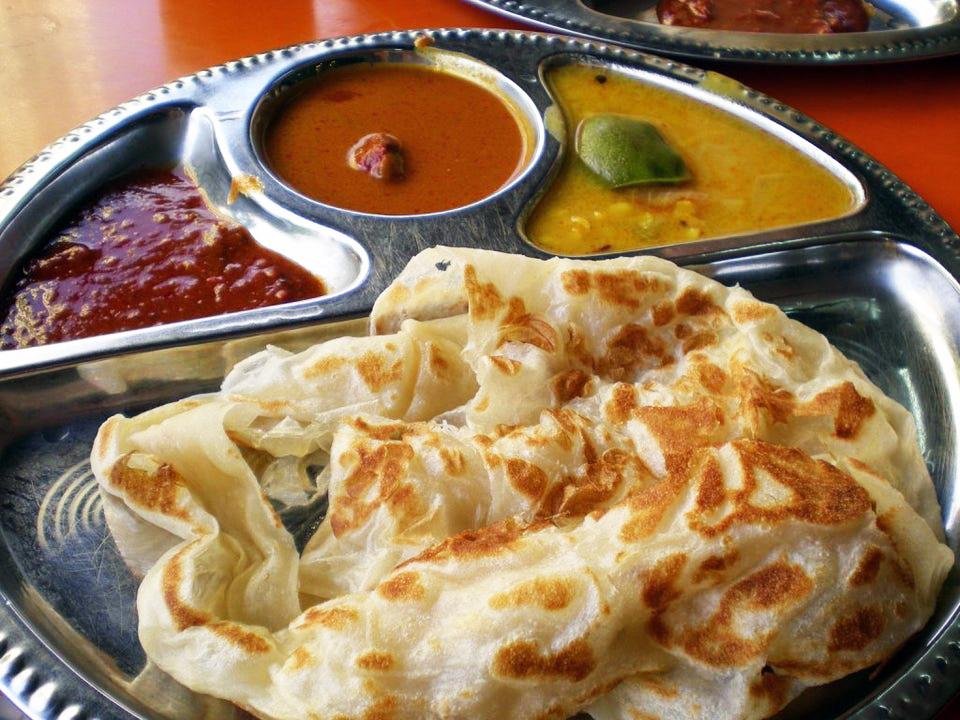

Malaysia is known for its multicultural food scene, where Malay, Chinese, Indian and other culinary traditions have influenced the country’s dining culture. Among the many popular dishes found across Malaysian streets and food courts, roti canai holds a special place. This flaky, layered flatbread is commonly served with dhal, curry or other savoury accompaniments and is enjoyed throughout the day.
Roti canai is particularly associated with Malaysia’s long-established Indian and Tamil communities, whose culinary traditions have played an important role in shaping the dish. Today, it can be found in neighbourhood eateries, food courts, roadside restaurants and even petrol stations. Its affordability, versatility and distinctive texture have helped make it one of Malaysia’s best-known everyday foods.
What Is Roti Canai?
Roti canai is a flaky flatbread made from a simple dough that is stretched, folded and cooked on a hot griddle.
The repeated folding creates multiple thin layers, giving the bread its characteristic combination of a crisp exterior and soft, chewy interior. It is typically eaten with dhal or curry, allowing the bread to absorb the accompanying flavours.
A Popular Everyday Food
Unlike dishes reserved for special occasions, roti canai is an everyday food in Malaysia. It can be enjoyed for breakfast, lunch, dinner or as a quick snack.
Its popularity has made it a familiar sight in Malaysian neighbourhoods and busy food centres.
The Indian Influence on Roti Canai
Roti canai reflects the historical influence of the Indian community on Malaysian cuisine. Indian migrants, particularly from southern India, brought cooking traditions that became integrated into Malaysia’s diverse food culture.
Over generations, these culinary practices developed within the Malaysian environment, resulting in foods that are now considered an integral part of local cuisine.
The Role of the Tamil Community
Malaysia’s long-established Tamil community has contributed significantly to the continued popularity of Indian-influenced foods such as roti canai.
Traditional techniques and flavours have been passed through generations, helping preserve the character of the dish while allowing individual eateries to develop their own variations.
How Roti Canai Is Made
Making roti canai requires more technique than its simple appearance might suggest.
The dough is prepared and allowed to rest before being stretched very thin. It is then folded or layered and cooked on a hot flat cooking surface.
The Secret Behind Its Flaky Texture
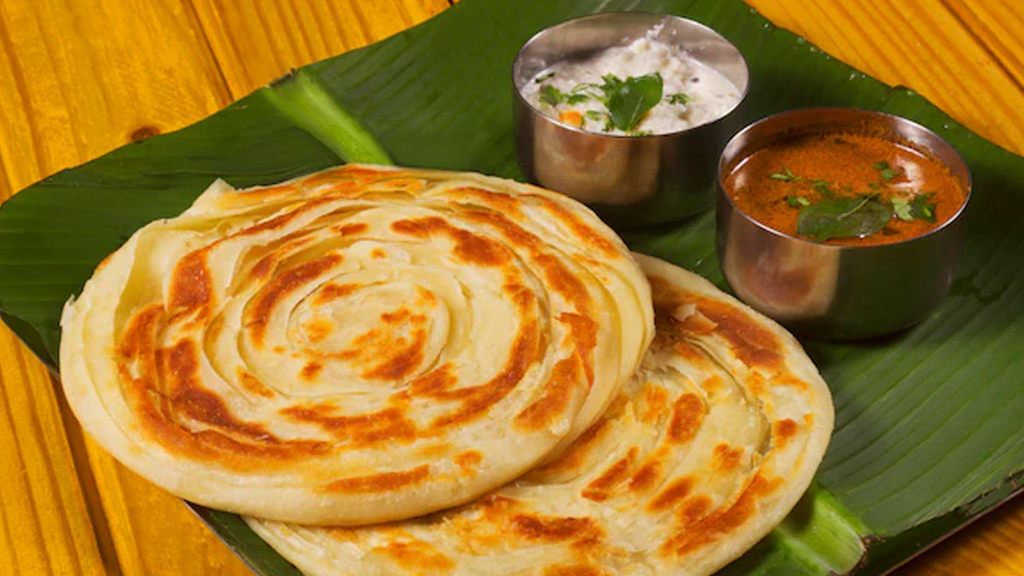
The stretching and folding process creates layers within the dough. When cooked properly, these layers produce the characteristic flaky texture associated with roti canai.
The bread is generally cooked until it develops a lightly crisp exterior while retaining a soft interior.
What Is Roti Canai Served With?
Roti canai is commonly accompanied by dhal curry, vegetable curry or other gravies.
The mild flavour of the flatbread provides a versatile base for stronger curries and sauces. Diners can tear pieces of the bread and dip them directly into the accompanying curry.
Different restaurants may also offer additional versions with ingredients incorporated into the dough or served alongside it.
Roti Canai Across Malaysia
One of the defining features of roti canai is how widely available it is.
It can be found in local eateries, Indian-Muslim restaurants, food courts and roadside establishments across Malaysia. In many places, it is prepared fresh to order, allowing diners to watch the dough being stretched and cooked.
From Street Corners to Food Courts
Roti canai’s accessibility has contributed greatly to its popularity. It is a practical meal for people looking for something filling and affordable.
The dish’s presence at different types of food outlets also demonstrates how deeply it has become embedded in Malaysia’s everyday food culture.
Why Is Roti Canai So Famous?
Roti canai combines simplicity with technique. The ingredients are relatively straightforward, but the preparation creates a distinctive texture that makes the dish memorable.
Its versatility is another reason for its popularity. It can be paired with different curries, served in different variations and eaten at almost any time of the day.
Most importantly, roti canai represents Malaysia’s multicultural culinary heritage, where traditions brought by immigrant communities have become part of the country’s broader food identity.
Key Highlights
- Roti canai is a popular Malaysian flaky flatbread.
- It is strongly influenced by Indian culinary traditions.
- The dish is commonly served with dhal or curry.
- Its layered texture comes from stretching and folding the dough.
- Roti canai is widely available at food courts and local eateries across Malaysia.
- Malaysia’s Tamil community has played an important role in preserving Indian culinary traditions.
- It is commonly enjoyed as breakfast, a snack or a complete meal.
- The dish is an important example of Malaysia’s multicultural food culture.
Conclusion
Roti canai is more than just a flaky flatbread; it is part of Malaysia’s everyday culinary identity. Its Indian roots, Malaysian evolution and continued connection to the country’s Tamil community have helped make it one of the most recognisable foods in the region.
From busy food courts and neighbourhood eateries to roadside restaurants, freshly cooked roti canai continues to bring together crisp layers, soft dough and flavourful curries. For travellers exploring the famous foods of Malaysia, tasting a freshly prepared roti canai offers a simple but memorable introduction to the country’s diverse food culture.


[…] Read this – Roti Canai – Malaysia’s Famous Indian-Inspired Street Food […]
[…] Read this – Roti Canai – Malaysia’s Famous Indian-Inspired Street Food […]