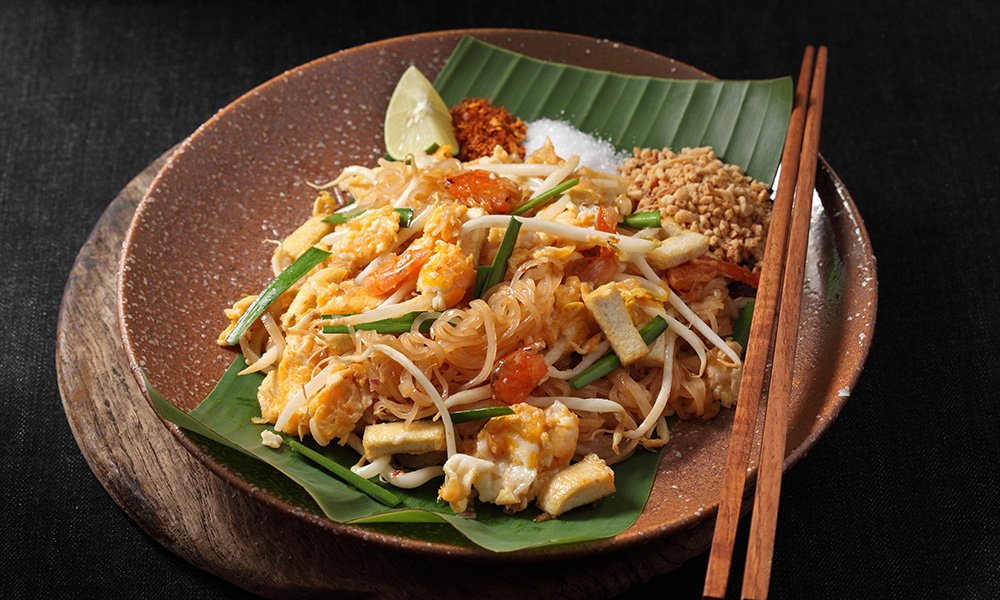

When it comes to famous Thai cuisine, Pad Thai is one of the dishes most closely associated with the country. This popular stir-fried rice noodle dish is enjoyed across Thailand and has also become a favourite in restaurants around the world. Traditionally cooked in a wok, Pad Thai combines rice noodles with ingredients such as shrimp, egg, bean sprouts, green onions, peanuts and a balanced sweet-and-savoury sauce.
One of the reasons Pad Thai stands out is its combination of different textures and flavours in a single plate. Soft noodles are tossed with crunchy peanuts and fresh bean sprouts, while the sauce creates a distinctive balance of sweetness, saltiness and tanginess. From busy street-food stalls to modern Thai restaurants, Pad Thai remains an important part of Thailand’s culinary identity.
What Is Pad Thai?
Pad Thai is a stir-fried rice noodle dish that is commonly associated with Thai street food and everyday dining. The dish is prepared by cooking rice noodles in a hot wok along with a combination of vegetables, protein, egg and a flavourful sauce.
Shrimp is a popular choice, but Pad Thai can also be prepared with chicken, tofu or other ingredients. This flexibility has helped the dish become popular with different types of diners.
The Role of the Wok
The wok is central to Pad Thai preparation. Ingredients are cooked quickly over high heat, allowing the noodles and other components to come together while retaining their individual textures.
The cooking process also gives the dish its characteristic stir-fried aroma and flavour.
The Main Ingredients in Pad Thai
Traditional Pad Thai can contain several ingredients that work together to create its distinctive taste.
Rice Noodles
Thin rice noodles form the foundation of the dish. They are cooked until tender but are ideally not overly soft, allowing them to absorb the sauce while maintaining their texture.
Shrimp and Other Proteins
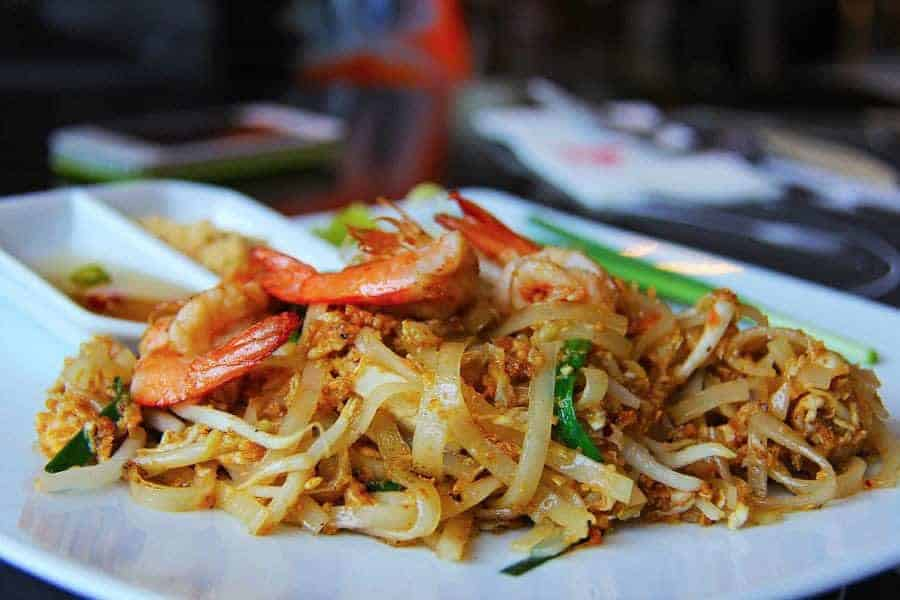
Shrimp is one of the most recognisable ingredients in many versions of Pad Thai. However, tofu, chicken and other proteins can also be used.
Egg
Scrambled egg is commonly incorporated into Pad Thai. It adds richness and creates another layer of texture within the noodles.
Bean Sprouts and Green Onions
Fresh bean sprouts provide crunch, while green onions add a mild, fresh flavour. These ingredients help balance the richness of the noodles and sauce.
Peanuts
Crushed peanuts are often added toward the end or served alongside the noodles. Their crunchy texture provides a contrast to the soft rice noodles.
What Does Pad Thai Taste Like?
Pad Thai is known for its balance of flavours rather than relying on one dominant taste.
Depending on the recipe, the sauce can combine sweet, salty, sour and savoury notes. Tamarind is commonly associated with the characteristic tanginess of Pad Thai, while sugar contributes sweetness and fish sauce can provide a savoury depth in non-vegetarian preparations.
Fresh ingredients such as bean sprouts and green onions add contrast to the cooked noodles.
Pad Thai and Thai Street Food Culture
Street food is an important part of Thailand’s food culture, and Pad Thai has become one of its most recognisable representatives.
A wok, fresh ingredients and quick cooking make the dish well suited to street-food preparation. Diners can watch the ingredients being tossed together before receiving a freshly cooked plate.
This combination of speed, aroma and customisation has helped Pad Thai remain popular among both locals and visitors.
Why Is Pad Thai So Famous?
Pad Thai has gained international popularity because it offers a relatively simple introduction to Thai flavours. The dish combines familiar ingredients such as noodles and egg with distinctive Thai flavour profiles.
It is also highly adaptable. Diners can find seafood, chicken, tofu and vegetarian versions depending on the restaurant or street-food vendor.
A Dish Known Around the World
Today, Pad Thai is served in Thai restaurants across numerous countries. While recipes can vary considerably outside Thailand, the dish continues to be recognised as a classic representation of Thai cuisine.
Its international popularity has also helped introduce diners to other Thai dishes and flavours.
How Pad Thai Is Traditionally Prepared
The basic preparation begins with rice noodles and a hot wok. Ingredients are stir-fried quickly, with the egg often cooked alongside the noodles and protein.
The sauce is then incorporated so that it coats the noodles evenly. Bean sprouts and green onions are added for freshness and texture, while crushed peanuts provide a final crunchy element.
The finished dish is generally served immediately while it is hot.
Key Highlights
- Pad Thai is one of Thailand’s most famous foods.
- It is a stir-fried rice noodle dish strongly associated with Thai street food.
- Shrimp, egg, bean sprouts, green onions and peanuts are common ingredients.
- Tofu and chicken can also be used in different versions.
- The dish is traditionally prepared in a hot wok.
- Pad Thai is known for balancing sweet, salty, sour and savoury flavours.
- Tamarind is commonly used to provide its distinctive tangy character.
- The dish has become popular in Thai restaurants around the world.
Conclusion
Pad Thai represents many of the qualities that make Thai cuisine popular around the world: bold flavours, contrasting textures and fresh ingredients brought together through quick wok cooking. From its familiar rice noodles and scrambled egg to crunchy peanuts and bean sprouts, every component contributes to the character of the dish.
Whether enjoyed from a busy street-food stall in Thailand or ordered at a Thai restaurant abroad, Pad Thai remains one of the country’s most recognisable culinary creations. For anyone exploring the best famous food in Thailand, Pad Thai is an essential dish to discover.