
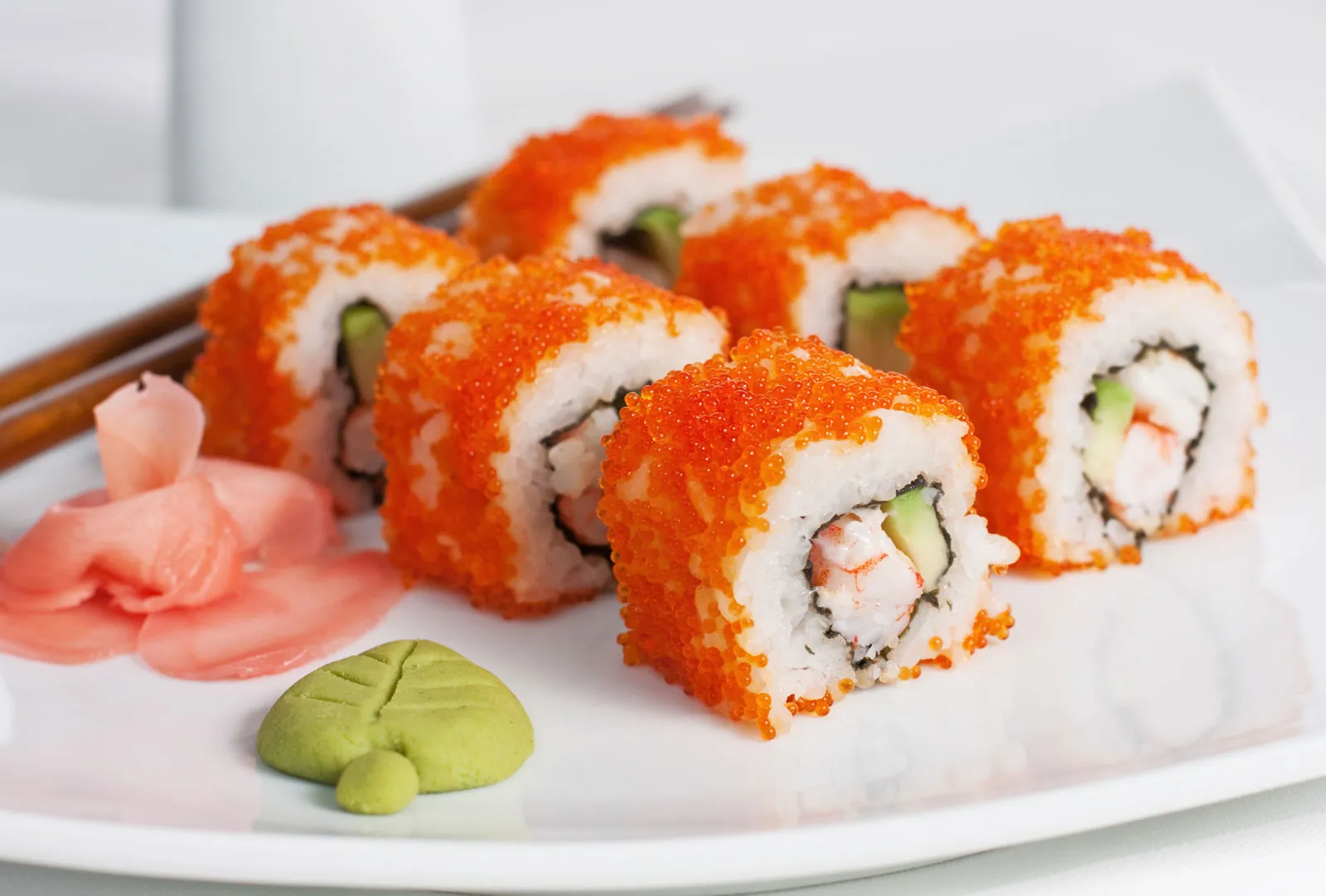

When people think about Japanese cuisine, sushi is often one of the first foods that comes to mind. Recognised around the world for its elegant presentation, fresh ingredients and delicate flavours, sushi has become one of Japan’s most celebrated culinary traditions. At its heart, sushi is made with specially prepared vinegared rice, which is combined with ingredients such as seafood, vegetables and, in some preparations, cooked ingredients.
Although raw fish is strongly associated with sushi, not every type of sushi contains raw seafood. Different varieties use cooked fish, vegetables, egg and other ingredients, making sushi a diverse category rather than a single dish.
What Is Sushi?
Sushi is a Japanese dish centred on vinegared rice, traditionally seasoned with a combination of rice vinegar, sugar and salt.
The rice is carefully prepared to achieve the right balance of texture and flavour. Depending on the style, it may then be topped with seafood or other ingredients, wrapped in nori seaweed, or formed into rolls.
Raw and Cooked Ingredients
Raw seafood is commonly used in many sushi varieties, particularly those featuring fresh fish and other seafood. However, cooked ingredients are also an important part of Japanese sushi culture.
Popular ingredients can include salmon, tuna, shrimp, eel, crab, octopus, egg, cucumber and other vegetables.
Why Is Sushi So Famous in Japan?
Sushi combines several characteristics that are strongly associated with Japanese culinary culture: attention to detail, fresh ingredients, balance and presentation.
The quality of the rice is particularly important. Even when the toppings appear to be the star of the dish, experienced sushi preparation places considerable emphasis on rice texture, seasoning and temperature.
Fresh seafood is another major component in many traditional sushi styles. In Japan, regional differences in seafood availability have contributed to the development of different sushi traditions.
Different Types of Sushi
Sushi comes in numerous forms, each offering a different way of combining rice and ingredients.
Nigiri Sushi
Nigiri consists of a small portion of hand-shaped sushi rice topped with an ingredient, commonly a slice of seafood. It is one of the most recognisable forms of traditional sushi.
Maki Sushi
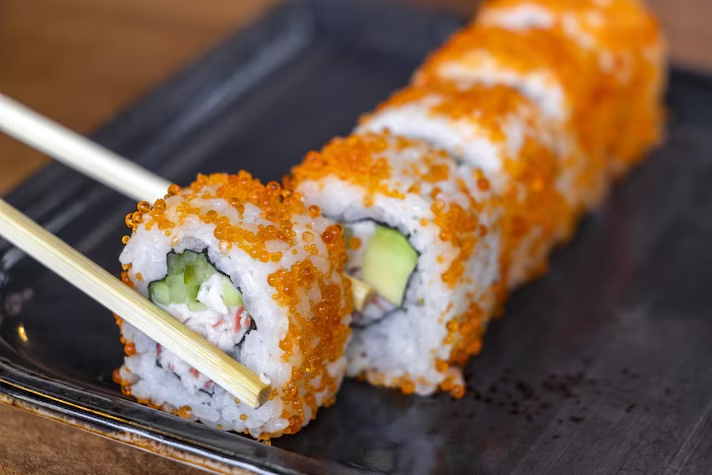
Maki is made by rolling sushi rice and fillings, often including seafood or vegetables, inside nori seaweed. The roll is then sliced into smaller pieces.
Temaki
Temaki is a cone-shaped hand roll filled with sushi rice and various ingredients. Because it is designed to be eaten by hand, it offers a more casual sushi experience.
Inari Sushi
Inari sushi uses seasoned fried tofu pockets filled with sushi rice. Unlike many varieties, it does not necessarily feature seafood.
The Importance of Freshness
Freshness is an essential part of sushi, particularly when raw seafood is involved.
Sushi chefs pay close attention to ingredient quality, preparation and handling. Fish intended for raw consumption must be appropriately sourced and handled to ensure food safety.
The quality of the rice is equally important. Properly seasoned sushi rice provides the foundation that brings the other flavours together.
Sushi and Japanese Food Culture
Sushi is more than an internationally popular dish. It represents an important part of Japan’s culinary identity.
Traditional sushi preparation can involve years of training, particularly for chefs specialising in professional sushi-making. Precision in cutting, shaping rice and presenting ingredients can have a significant influence on the final dining experience.
At high-end sushi restaurants, diners may also experience omakase, a style of dining in which the chef selects and serves a sequence of dishes based on available ingredients and the season.
Sushi Around the World
Sushi has travelled far beyond Japan and become a global food phenomenon.
Restaurants around the world now offer Japanese-style sushi alongside locally adapted creations. Some international versions use ingredients and combinations that are different from traditional Japanese preparations.
Despite these adaptations, the basic idea of combining seasoned rice with carefully selected ingredients remains at the centre of sushi.
Key Highlights
- Sushi is one of Japan’s most internationally recognised foods.
- Its foundation is traditionally prepared vinegared rice.
- Sushi can include raw seafood, cooked seafood, vegetables, egg and other ingredients.
- Nigiri, maki, temaki and inari are among the well-known sushi styles.
- Freshness and careful preparation are particularly important when raw seafood is used.
- Sushi reflects Japan’s emphasis on precision, balance and presentation.
- Omakase offers a chef-led sushi dining experience.
- Japanese sushi has influenced food cultures around the world.
Conclusion
Sushi has become a global symbol of Japanese cuisine because it brings together simplicity, precision and carefully selected ingredients. While raw seafood is one of its most familiar components, sushi encompasses a much wider range of preparations, including cooked seafood and vegetarian options.
From traditional nigiri and maki to chef-led omakase experiences, sushi continues to represent the craftsmanship and culinary traditions associated with Japan. For anyone exploring the best and most famous foods in Japan, sushi remains an essential part of the country’s food story.


[…] Read this – Sushi – The Story Behind Japan’s Most Famous Food […]